


Women represent the backbones of local commercial ecosystems across Africa, operating a significant percentage of micro, small, and medium-scale enterprises (MSMEs). Despite their high rate of entrepreneurial activity, female entrepreneurs frequently face structural constraints that restrict their ventures from scaling into international markets. Achieving sustainable economic expansion requires dismantling these barriers and implementing intentional systems that support female enterprise leadership.
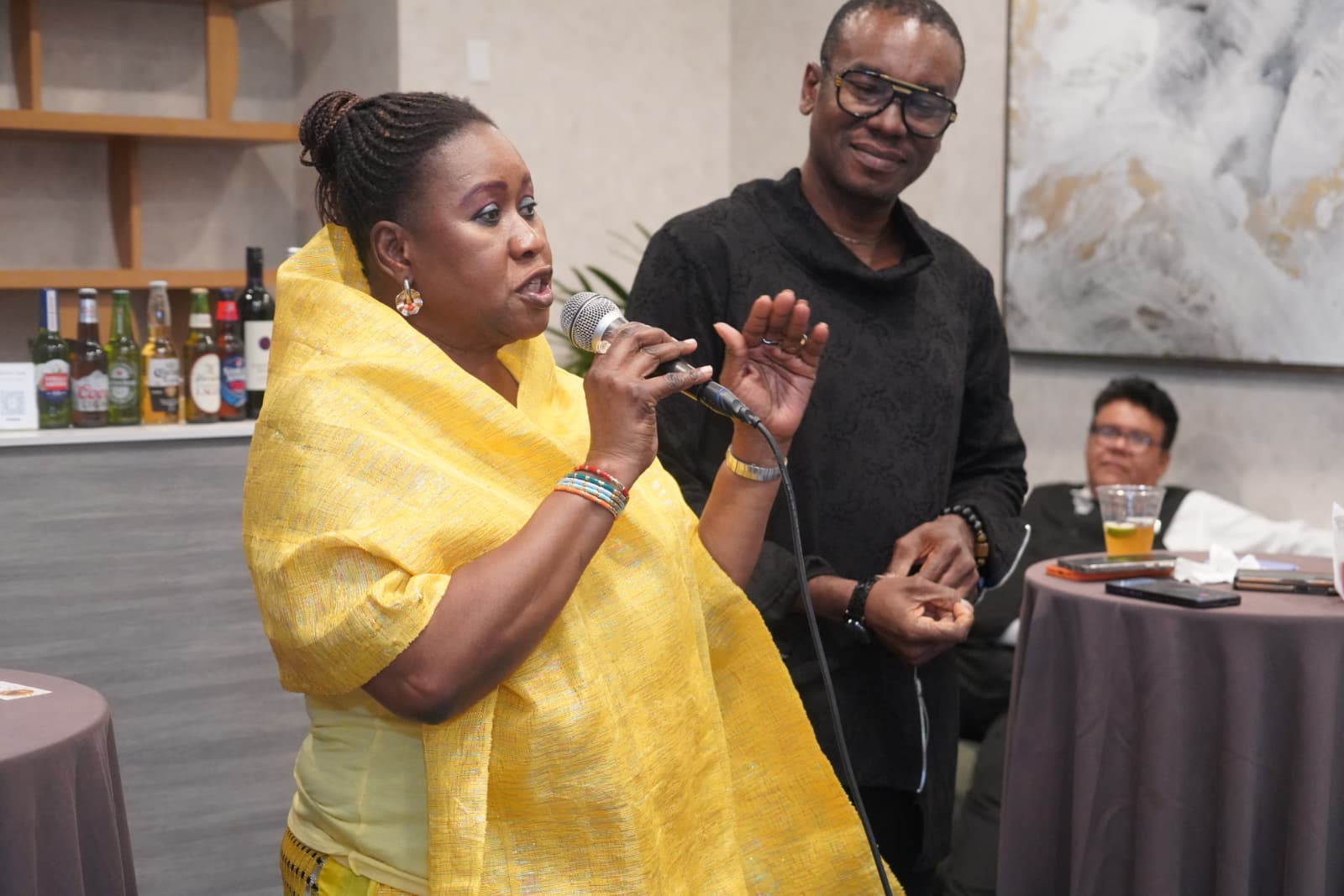
As Co-Founder of the Africa Women Impact Summit (AFRIWIS) and a partner to strategic gender initiatives across the continent, Dr. Utchay Odims advocates for structural reform that moves beyond token inclusion toward equitable economic participation. Elevating female enterprise is both a social imperative and a proven lever for driving sustainable GDP growth.
       ┌─────────────────────────────────────────────────────────┐
       │   STRATEGIC PILLARS FOR FEMALE ENTERPRISE GROWTH        │
       └────────────────────────────┬────────────────────────────┘
                                    │
         ┌──────────────────────────┼──────────────────────────┐
         ▼                          ▼                          ▼
┌──────────────────┐       ┌──────────────────┐       ┌──────────────────┐
│ Capital Access   │       │ Global Networks  │       │ Strategic Policy │
│  & Equity Funds  │       │ & Cross-Border   │       │  & Governance    │
└──────────────────┘       └──────────────────┘       └──────────────────┘
Overcoming Capital Access Constraints
Access to capital remains one of the primary obstacles for women-led businesses across Africa. Traditional banking institutions often impose stringent collateral requirements that disproportionately disadvantage female business owners. Overcoming this structural barrier requires innovative financial mechanisms:
- Gender-Lens Investing: Investment funds specifically structured to allocate capital toward high-growth, women-led enterprises.
- Alternative Credit Scoring: Utilizing operational metrics, digital sales histories, and community trade networks rather than traditional physical collateral to assess creditworthiness.
- Capacity Building for Investor Readiness: Equipping female founders with financial modeling, enterprise valuation, and pitching skills necessary to secure institutional venture funding.
Building International Networks and Cross-Border Alliances
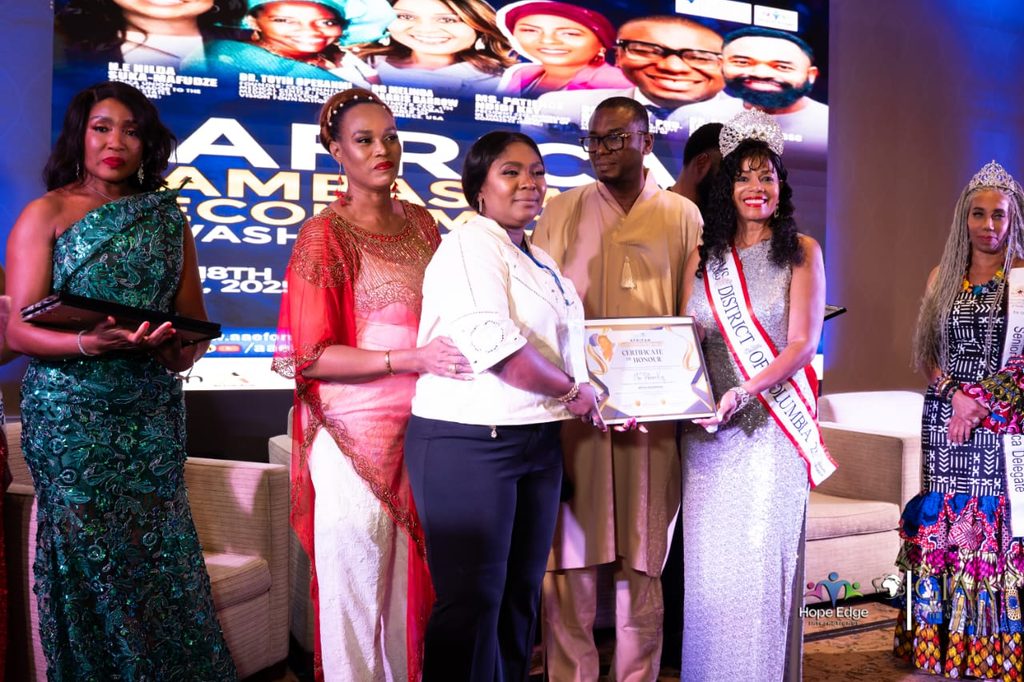
Isolation restricts enterprise growth. For female entrepreneurs to scale operations beyond local boundaries, they require access to international business networks and strategic trade corridors. Organizations like the Africa Women Impact Summit provide crucial platforms where female executives, policy leaders, and founders connect to form joint ventures, enter new markets, and influence trade policy.
Collaborations with global platforms—such as the African Women in Leadership Organisation (AWLO) and the Rose of Sharon Foundation—demonstrate how strategic alliances amplify impact. When women entrepreneurs gain direct access to international trade networks, their capacity to hire, innovate, and expand increases exponentially.
Policy Reform and Inclusive Governance
Sustained economic integration requires policy alignment across governmental and regional levels. National trade strategies must explicitly address gender disparities, protecting female traders, streamlining cross-border compliance, and ensuring equal representation on trade boards and regulatory bodies.
When women operate in supportive regulatory environments, business outcomes improve across sectors. Closing the gender gap in business leadership strengthens institutional resilience, drives community development, and builds a robust foundation for Africa’s long-term economic position in the global market.