


Africa stands at a pivotal point in its economic trajectory. Shifted away from legacy models centered primarily on foreign assistance, the contemporary approach to African economic strategy focuses on self-sustaining industrial development, cross-border infrastructure, and intra-continental commerce. Unlocking the continent’s full economic potential requires cohesive diplomacy and strategic policy integration.
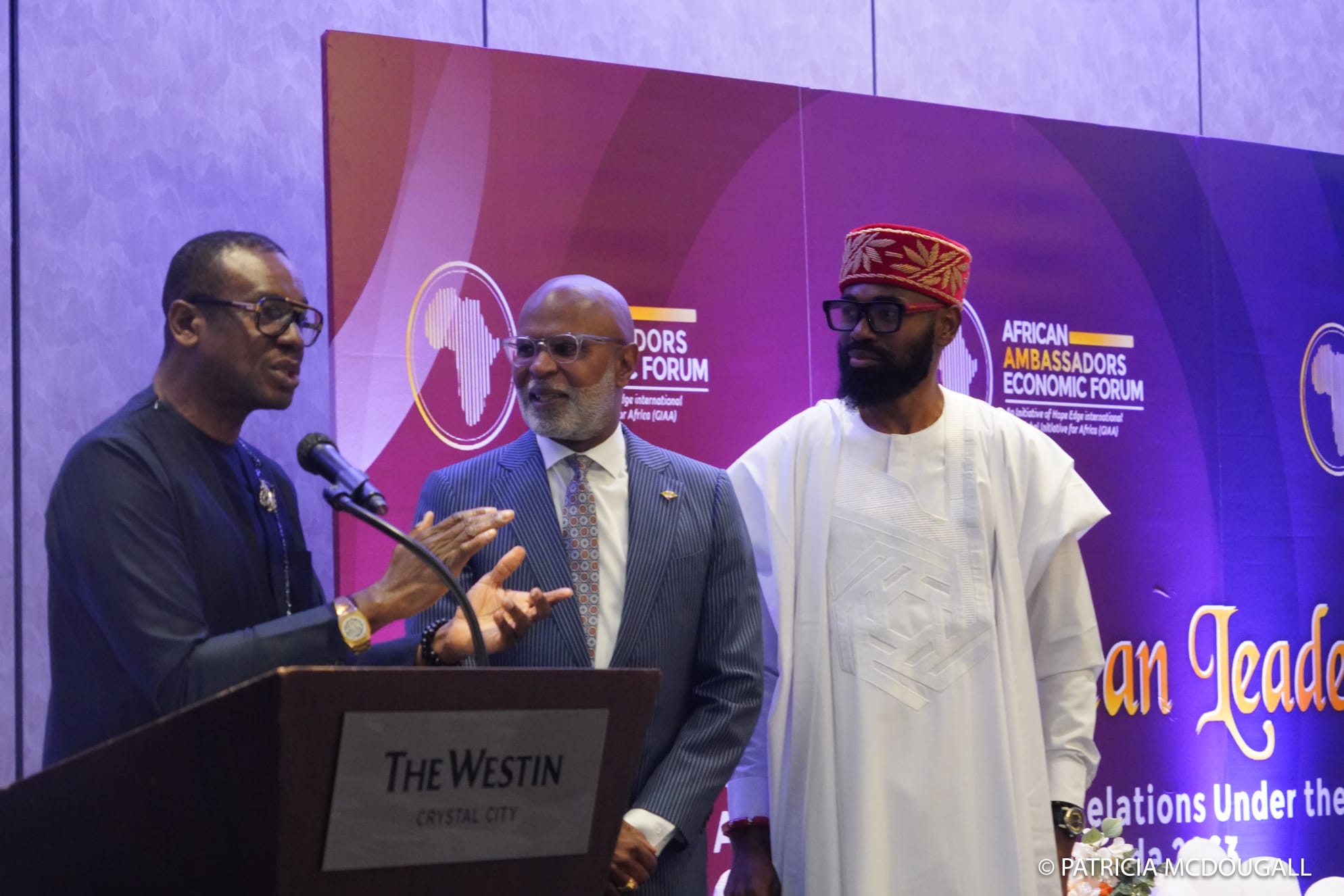
As President of the Africa Ambassadors Economic Forum (AAE Forum) and Co-convener of regional diplomatic dialogues, Dr. Utchay Odims works at the intersection of economic policy, diplomatic engagement, and private sector integration. Realizing a unified, highly competitive African economic ecosystem demands synchronized action across strategic sectors.
Key Catalysts for African Economic Integration
- Operationalizing AfCFTA Frameworks: Eliminating tariff and non-tariff barriers to facilitate the seamless movement of goods, services, and capital across all 55 African Union member states.
- Infrastructure and Interconnectivity Development: Investing heavily in regional transport corridors, energy grids, and digital communication networks to support efficient cross-border supply chains.
- Value-Addition and Local Manufacturing: Transitioning away from exporting raw commodities toward establishing domestic processing, manufacturing, and industrial zones that retain economic value locally.
- Harmonization of Financial Systems: Developing interoperable cross-border payment platforms to simplify trade settlement and reduce dependency on foreign currencies for regional transactions.
The Strategic Imperative of Economic Diplomacy
Modern diplomacy extends far beyond political relations; it serves as a direct driver of trade flow and foreign direct investment (FDI). Diplomatic missions and ambassadorial forums provide essential channels for connecting sovereign policy objectives with private sector investment.
┌─────────────────────────────────────────────────────────────────┐
│              DIPLOMATIC & ECONOMIC INTEGRATION LOOP             │
└────────────────────────────────┬────────────────────────────────┘
                                 │
   ┌─────────────────────────────┴─────────────────────────────┐
   ▼                                                           ▼
┌─────────────────────────┐                         ┌─────────────────────────┐
│ Policy Harmonization    │                         │ Bilateral Investments   │
│ Frameworks & Bilateral  │ ────── Trade Flow ─────►│ Infrastructure, Tech,   │
│ Trade Agreements        │                         │ & Industrial Hubs       │
└─────────────────────────┘                         └─────────────────────────┘
   ▲                                                           │
   │                                                           │
   └──────────────── Unified Market Execution ─────────────────┘
Through collaborative platforms like the AAE Forum, policymakers, diplomatic representatives, and institutional investors align regulatory priorities to lower trade friction and secure cross-border partnerships. High-level economic diplomacy builds trust, establishes transparent legal protections for capital, and accelerates project implementation across participating nations.
Unifying Regional Economic Communities
Accelerating growth across the continent requires stronger alignment among existing Regional Economic Communities (RECs), such as ECOWAS, EAC, SADC, and COMESA. Streamlining trade protocols across these regions creates a unified market of 1.4 billion consumers.
By prioritizing value creation, supporting local manufacturing, and leveraging integrated trade channels, African nations can shape a resilient, self-sustaining economy that engages with global markets from a position of industrial strength.